1. Introduction
Walking barefoot on hard, unyielding surfaces eliminates the natural shock absorption required by the human foot, thereby increasing mechanical tension on the plantar fascia and precipitating the micro-tears that lead to plantar fasciitis. The plantar fascia is a dense, fibrous band of connective tissue spanning the arch of the foot, designed to act as a dynamic shock absorber and structural tie-rod during gait.
When the foot strikes a rigid surface like tile, hardwood, or concrete without the protective cushioning of footwear, the impact forces are transmitted directly into the skeletal and fascial structures. This abrupt mechanical load forces the arch to flatten rapidly, stretching the plantar fascia beyond its physiological limit at its insertion point on the heel bone.
Continuous exposure to these rigid surfaces induces repetitive microtrauma. Over time, the rate of fascial tearing outpaces the body’s ability to repair the tissue, leading to a state of chronic degeneration and inflammation. Addressing the environmental surface and providing adequate structural support are critical first steps in preventing and rehabilitating this debilitating condition.
2. Anatomy of the Plantar Fascia
The plantar fascia, or plantar aponeurosis, is an inelastic, thick band of pearly white tissue that originates from the medial tubercle of the calcaneus (the heel bone). From the heel, it fans out distally along the sole of the foot, dividing into five distinct bands that insert into the base of the proximal phalanges (the toes).
This central fibrous band is structurally vital for maintaining the longitudinal arch of the foot. It functions analogously to a bowstring, holding the bony framework of the arch in a curved position. Because the tissue is inherently dense and inelastic, it is designed to bear immense loads but is highly vulnerable to rapid, forceful elongation.
The fascial tissue is poorly vascularized. Blood supply to the dense fibers is limited, which significantly impedes the body’s natural healing processes once structural damage has occurred. This poor vascularity is a primary reason why plantar fascial injuries become chronic and recalcitrant to treatment.
3. The Biomechanics of the Windlass Mechanism
Understanding the windlass mechanism is essential for comprehending how barefoot walking stresses the fascia. Described in podiatric biomechanics, the windlass mechanism refers to the functional tightening of the plantar fascia during the push-off phase of the gait cycle.
As a person steps forward and the heel lifts off the ground, the toes dorsiflex (bend upward). This dorsiflexion acts like a winch, wrapping the distal ends of the plantar fascia around the metatarsal heads. This action pulls the fascia taut, shortening the distance between the heel and the toes, and raising the longitudinal arch.
This tightening converts the foot from a flexible shock absorber into a rigid lever, allowing for efficient forward propulsion. However, when walking barefoot on a hard floor, the initial heel strike and subsequent arch collapse are so forceful that the fascia undergoes profound tension before the windlass mechanism can safely engage, causing mechanical tearing at the heel insertion.
4. The Role of Shock Absorption in Human Gait
Human bipedal gait generates significant ground reaction forces. During normal walking, the foot absorbs a force equivalent to one to one-and-a-half times the person’s body weight with every single step.
The body mitigates this force through several built-in shock absorbers: the plantar fat pad beneath the heel, the pronation of the subtalar joint, and the elasticity of the surrounding musculature. In a natural environment with yielding surfaces like dirt or sand, the ground itself deforms slightly, assisting in the dissipation of this kinetic energy.
Modern domestic environments, constructed with concrete foundations overlaid with tile or hardwood, offer zero surface deformation. Without a yielding surface or the external cushioning provided by supportive footwear, the anatomical shock absorbers are rapidly overwhelmed, transferring the destructive kinetic energy directly into the fascial band.
5. How Hard Surfaces Alter Foot Biomechanics
Walking barefoot on rigid surfaces fundamentally alters the kinematics of the foot. Without heel elevation or arch support, the foot tends to overpronate. Pronation is the natural inward rolling of the foot designed to absorb shock, but on hard surfaces, this motion becomes excessive and uncontrolled.
Excessive pronation forces the medial longitudinal arch to collapse completely toward the floor. Because the plantar fascia tethers the heel to the toes, this total arch collapse stretches the fascial band to its absolute maximum length.
This repetitive maximal stretching exerts an immense pulling force on the calcaneal periosteum, the membrane covering the heel bone. The constant tugging causes acute inflammation at the fascial insertion site, presenting clinically as the classic, sharp heel pain that characterizes the onset of the condition.
6. Mechanism of Microtrauma and Degeneration
The pathological process of plantar fasciitis begins with microscopic tearing of the collagen fibers that constitute the fascia. A single barefoot walk across a tile floor will not cause the condition, but months or years of the habit create a cumulative mechanical deficit.
Initially, the micro-tears trigger an acute inflammatory response. The area becomes swollen, and inflammatory mediators flood the tissue, causing the initial phases of pain. However, continuous barefoot walking prevents the fibers from cross-linking and healing properly.
As the condition progresses, the acute inflammation subsides, leaving behind disorganized, degenerative tissue. This state is more accurately termed plantar fasciosis—a non-inflammatory degeneration of the collagen matrix. The tissue becomes thickened, fibrotic, and highly sensitive to mechanical loads.
7. The Influence of Arch Anatomy on Susceptibility
A patient’s inherent foot structure dictates their susceptibility to barefoot-induced fascial damage. Individuals with structural extremes—either severely flat feet or high, rigid arches—are at the greatest risk when navigating hard floors without support.
Pes planus, or flat feet, lack inherent structural stability. Upon weight-bearing, the arch collapses instantly, placing immediate, maximum tension on the fascia. Without the contour of a supportive shoe to halt this collapse, the fascia absorbs the entirety of the mechanical stress.
Pes cavus, or high-arched feet, present a different biomechanical problem. High arches are typically rigid and poor at absorbing shock. When a rigid foot strikes a hard floor, the inability of the arch to lower and dissipate energy means the impact forces are localized forcefully to the heel and the metatarsal heads, bruising the bone and stressing the fascial attachments.
8. Arch Types and Barefoot Risk Factors
Identifying the foot type assists in predicting the biomechanical failure points when subjected to rigid surfaces.
| Foot Structure | Biomechanical Characteristic | Impact of Barefoot Walking on Hard Floors |
|---|---|---|
| Pes Planus (Flat Foot) | Hypermobile, excessive pronation | Severe fascial stretching and elongation, tearing at the heel |
| Normal Arch | Standard shock absorption | Gradual wear and tear, fatigue of intrinsic foot muscles |
| Pes Cavus (High Arch) | Rigid, poor shock dissipation | Direct impact trauma to the heel bone, reduced fascial flexibility |
9. Age-Related Changes in the Plantar Fat Pad
The plantar fat pad is a thick layer of specialized adipose tissue located directly beneath the calcaneus. Its sole biological purpose is to cushion the heel bone during the initial contact phase of the gait cycle.
As part of the natural aging process, this fat pad undergoes atrophy. It becomes thinner, loses its elasticity, and its internal fibrous septa begin to break down. This degradation drastically reduces the heel’s ability to absorb shock independently.
For older adults, walking barefoot on hardwood floors becomes particularly hazardous. With a diminished fat pad, the rigid floor effectively impacts the calcaneus with minimal buffering. This direct bone-to-floor contact not only strains the fascia but frequently causes deep bone contusions and accelerates the formation of calcaneal heel spurs.
10. The Impact of Sudden Increases in Barefoot Activity
Many cases of acute plantar fasciitis are triggered not by a lifetime of barefoot walking, but by a sudden change in environmental habits. A classic clinical presentation involves a patient who recently transitioned to working from home.
Individuals accustomed to wearing supportive footwear in a corporate environment suddenly find themselves spending ten to twelve hours a day walking barefoot on their home’s hard surfaces. The intrinsic muscles and fascial tissues, adapted to the support of dress shoes or sneakers, are rapidly overwhelmed by the new biomechanical demands.
This sudden spike in unyielding mechanical load causes rapid fascial tearing. The abruptness of the environmental change does not afford the tissue time to adapt or strengthen, resulting in a severe, acute presentation of heel pain.
11. Differentiating Plantar Fasciitis from Other Heel Pathology
While plantar fasciitis is the most common cause of inferior heel pain, other pathologies must be ruled out to ensure appropriate treatment.
Tarsal tunnel syndrome involves the compression of the posterior tibial nerve as it passes along the inside of the ankle. This condition produces a burning, electrical pain that often radiates into the toes, distinguishing it from the localized, mechanical pain of fascial tearing.
Calcaneal stress fractures occur from repetitive bone trauma. Unlike fascial pain, which is typically worst during the first steps of the morning and improves with mobility, the pain of a stress fracture worsens continuously with weight-bearing activity and exhibits pinpoint bony tenderness upon lateral squeezing of the heel bone.
12. Structural Interventions and Orthotic Support
The immediate clinical intervention for environmental plantar fasciitis is the cessation of barefoot walking. Patients must adopt a strict “no barefoot” policy within the home. The introduction of indoor recovery footwear is mandatory.
Indoor footwear should possess a firm, supportive sole, a deep heel cup to concentrate the fat pad beneath the calcaneus, and a contoured arch to prevent the fascia from collapsing during weight-bearing. Soft, flat slippers provide warmth but offer zero structural resistance to arch collapse, making them therapeutically useless.
For profound structural deficits, custom rigid orthotics fabricated by a podiatrist may be required. These devices are designed from a biomechanical mold of the patient’s foot, ensuring that the fascial band is held in a relaxed, neutral position throughout the entire gait cycle.
13. Rehabilitative Exercises for Tissue Resiliency
Once the acute mechanical stress is mitigated by supportive indoor footwear, rehabilitative exercises must be employed to restore tissue strength. Passive stretching of the calf muscles (gastrocnemius and soleus) is critical, as a tight Achilles tendon restricts ankle dorsiflexion, forcing compensatory overpronation and secondary fascial strain.
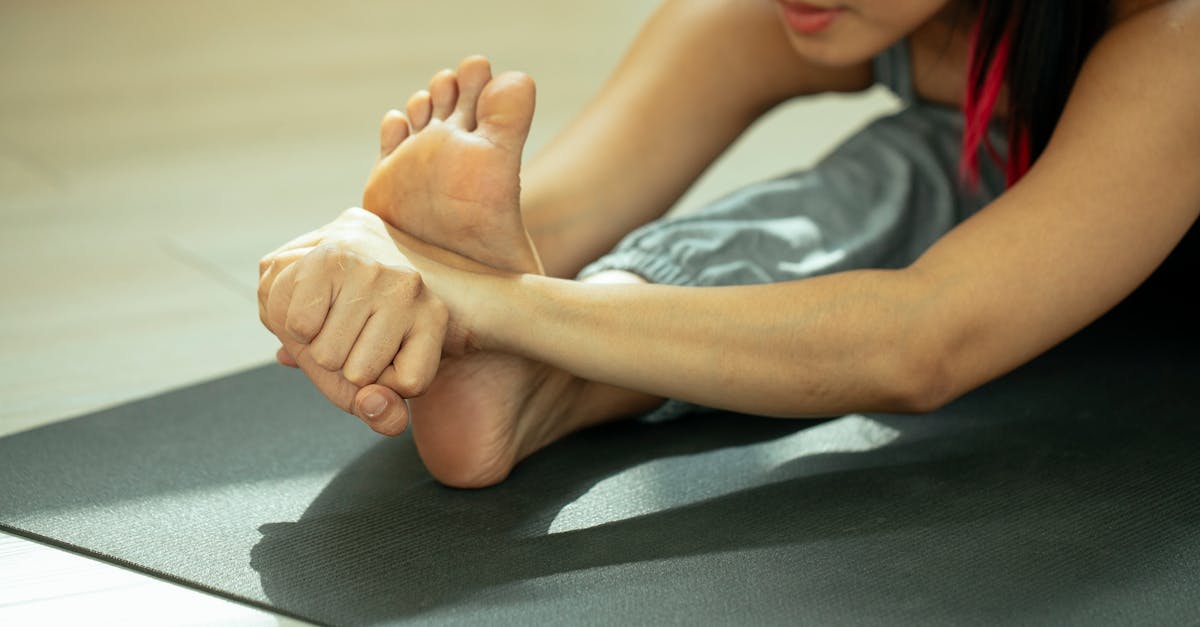
Targeted fascial stretching, achieved by pulling the toes backward toward the shin while massaging the arch, helps realign the disorganized collagen fibers.
Strengthening the intrinsic muscles of the foot—the small muscles located entirely within the foot structure—provides active dynamic support to the arch, reducing the passive load placed on the fascial band. Exercises such as picking up marbles with the toes or performing towel scrunches are highly effective.
14. When to Seek Podiatric Evaluation
Patients should seek professional podiatric evaluation if the morning heel pain persists for more than two to three weeks despite wearing supportive indoor shoes and performing calf stretches.
Immediate medical attention is warranted if the heel exhibits profound swelling, redness, or heat, as these signs suggest an infectious or severe inflammatory process rather than mechanical degeneration. Additionally, an inability to bear any weight on the affected foot requires radiological imaging to rule out a calcaneal fracture.
Chronic, untreated plantar fasciitis often leads to compensatory gait abnormalities, as the patient alters their stride to avoid heel pain. This abnormal gait frequently precipitates secondary mechanical issues in the knees, hips, and lumbar spine, complicating the overall rehabilitation process.
15. Frequently Asked Questions FAQ
1. Is walking barefoot ever good for the feet?
Walking barefoot on natural, yielding surfaces like sand or soft grass can strengthen the intrinsic foot muscles and improve proprioception. The pathology arises specifically from prolonged walking on modern, rigid, man-made surfaces.
2. Why is the pain always worse during the first steps in the morning?
During sleep, the foot rests in a slightly pointed (plantarflexed) position, allowing the fascia to contract and heal in a shortened state. The first step out of bed forcefully stretches and tears this newly healed, tightened tissue, causing acute, sharp pain.
3. Do heel spurs cause plantar fasciitis?
No, the relationship is typically the reverse. A heel spur is a calcification that forms on the bone in response to the chronic, repetitive pulling of the tight plantar fascia. The fascial tearing causes the pain, not the bony spur itself.
4. Can soft memory foam slippers help prevent the pain?
Soft memory foam provides initial comfort but lacks structural rigidity. Because the foam compresses completely under body weight, it fails to support the arch or prevent pronation, allowing the fascial stress to continue uninterrupted.
5. How long does it take for plantar fasciitis to heal?
Fascial tissue has a limited blood supply, making healing a slow process. With strict adherence to wearing supportive indoor footwear and daily stretching, mild cases resolve in a few months, whereas chronic cases can take up to a year of dedicated conservative management.
16. Bibliography
Disclaimer: The content is for informational purposes only and does not replace medical advice. Always consult your doctor for personalized treatment.