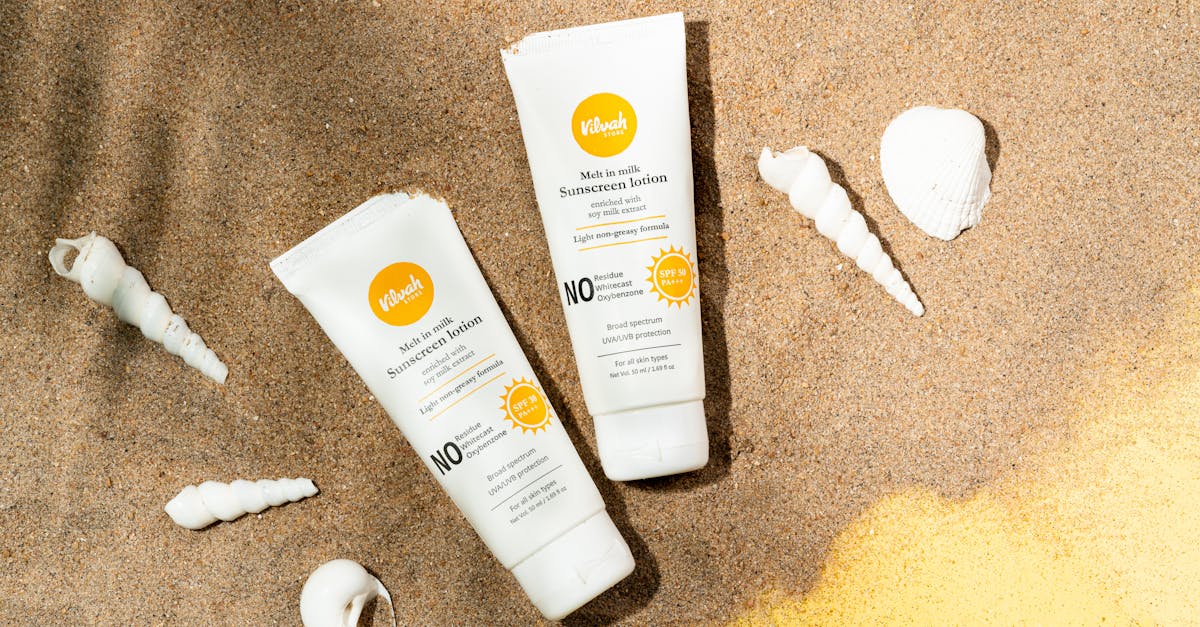
Sea Star Sparkle Spf 50 Glitter Sunscreen Cotton Candy is a highly fragranced, hybrid topical photoprotectant that utilizes both organic chemical filters and inorganic mineral blockers. The most notable side effect is contact dermatitis, which is frequently provoked by the combination of synthetic cotton candy fragrances, abrasive cosmetic glitter, and organic ultraviolet absorbers on sensitive skin.
1. Mechanism of Action for Sea Star Sparkle Spf 50 Glitter Sunscreen Cotton Candy
This formulation employs a complex, dual-action mechanism to establish an effective photoprotective barrier. Homosalate, octocrylene, and octisalate act as organic chemical filters. These specific molecules are engineered to absorb high-energy ultraviolet B radiation upon contact, converting the destructive photon energy into harmless thermal dissipation that leaves the epidermal cells undamaged. Octocrylene provides the added benefit of stabilizing the overall emulsion.
Simultaneously, zinc oxide operates as a broad-spectrum inorganic physical filter. These microfine mineral particles assemble across the stratum corneum, reflecting and scattering both ultraviolet A and ultraviolet B rays away from the skin surface. The formulation is cosmetically modified with synthetic cotton candy fragrance and suspended glitter particles, which serve to enhance the visual and olfactory experience but do not contribute to photoprotection.
2. Warnings and Prerequisites Before Using Sea Star Sparkle Spf 50 Glitter Sunscreen Cotton Candy
Prior to initiation, patients must confirm the absence of known allergies to salicylates, as both homosalate and octisalate are structural derivatives of salicylic acid. Individuals with highly reactive skin, documented severe chemical sunscreen allergies, or active rosacea must perform a localized patch test on the inner forearm and monitor for forty-eight hours to rule out delayed hypersensitivity to the fragrance or filters.
Application must be strictly restricted to intact epidermal tissue. Do not apply this product to severe thermal burns, open lacerations, or actively infected dermatoses. The absorption of organic chemical filters through deeply compromised tissue is clinically undesirable and may provoke significant localized inflammation, delayed wound healing, and extreme stinging.
3. Indications and Dosage Guide for Sea Star Sparkle Spf 50 Glitter Sunscreen Cotton Candy
This hybrid glitter sunscreen is indicated for daily use during recreational activities to prevent sunburn, mitigate premature photoaging, and lower the incidence of cutaneous malignancies. The intensely sweet fragrance and visible glitter make it particularly appealing for pediatric application, serving as a behavioral tool to encourage regular sun protection habits.
The optimal dosage requires the application of a liberal layer exactly fifteen minutes prior to ultraviolet exposure. This precise delay is crucial, as the chemical filters homosalate, octocrylene, and octisalate require time to bind uniformly with the stratum corneum. Standard dosing is approximately thirty milliliters for full-body coverage. Reapplication is strictly required every two hours.
4. In-Depth Side Effects Analysis of Sea Star Sparkle Spf 50 Glitter Sunscreen Cotton Candy
Cosmetically enhanced hybrid sunscreens offer unique visual appeal but introduce the potential side effects associated with chemical filters, minerals, fragrances, and abrasive additives.
Common Side Effects
Patients frequently report mild, transient stinging upon application, particularly if the skin barrier is compromised by harsh weather or chemical exfoliants. Minor mechanical erythema can occur from the friction of spreading the glitter over the skin. A sensation of localized warmth can occur as the chemical filters actively dissipate ultraviolet energy as heat.
Serious Side Effects You Should Report
A severe allergic reaction necessitates immediate discontinuation. Symptoms of clinical concern include the sudden onset of intense pruritus, widespread urticarial plaques, marked periorbital edema, and the formation of vesicular eruptions. These signs point to a severe contact dermatitis, typically triggered by the cotton candy fragrance, that requires medical intervention.
Rare Side Effects
In exceedingly rare cases, photoallergic contact dermatitis may occur. This happens when the chemical structure of the sunscreen interacts with ultraviolet light to form an allergen, triggering a rash strictly in sun-exposed areas. Furthermore, accidental introduction of the glitter into the eye can rarely cause superficial mechanical abrasions to the cornea.
Side Effects That Usually Do Not Require Medical Attention
Mild pore congestion leading to isolated comedones may occur due to the occlusive nature of the formulation base holding the glitter and minerals. A slight feeling of greasiness or minor shine on the skin surface is a cosmetic effect of the moisturizing formulation and is harmless.
| Side Effect Category | Specific Symptoms |
|---|---|
| Common | Mild stinging, mechanical erythema, transient warmth |
| Serious | Widespread urticaria, facial swelling, blistering |
| Rare | Photoallergic contact dermatitis, corneal abrasions |
| Requires no medical attention | Minor greasiness, transient pore congestion |
5. Overdose Symptoms and Emergency Management
Applying an excessive volume of this topical product will not trigger systemic pharmacological overdose. The immediate consequence is a heavy, cosmetically undesirable residue that feels excessively sticky, heavily coats clothing in glitter, and increases the likelihood of follicular occlusion. This is easily resolved by gently washing the skin with a mild cleanser.
Accidental ingestion requires monitoring, a significant risk given the sweet cotton candy scent. Swallowing small quantities of this lotion may cause minor gastric irritation, resulting in mild nausea or a transient upset stomach. The patient should rinse their mouth and drink clear fluids. If a pediatric patient ingests a large volume, contacting a poison control center is the safest protocol.
6. Missed Dose Protocol and What to Avoid
A missed application leaves the skin entirely defenseless against incident solar radiation. Missing a dose prior to sun exposure accelerates cumulative DNA damage within the epidermal cells. The user must apply the product immediately upon realizing the omission, though it cannot reverse cellular mutations already sustained.
Patients must strictly avoid applying this formulation directly to the ocular mucosa or the immediate periorbital area. Chemical filters cause profound stinging, tearing, and conjunctival injection if introduced into the eye, and the glitter poses a physical scratching hazard. Furthermore, avoid relying on sunscreen as the sole method of photoprotection during hours of peak ultraviolet index.
7. Drug and Alcohol Interactions with Sea Star Sparkle Spf 50 Glitter Sunscreen Cotton Candy
The active ingredients in this formulation do not absorb systemically in concentrations sufficient to interact with oral medications or alcohol. Patients taking systemic pharmaceuticals can use this product without concern for altered drug metabolism or efficacy.
Topical interactions require close attention. Applying prescription exfoliants such as lactic acid immediately prior to this sunscreen will strip the skin barrier, drastically amplifying the stinging sensation associated with the chemical filters and the artificial fragrance. All medicinal topicals should be fully absorbed before applying the sunscreen layer.
8. Precautions, Safety, and Duration of Action
The duration of protective efficacy is strictly limited. The chemical filters degrade gradually upon ultraviolet exposure, and the physical barrier is mechanically worn away by sebum and friction. Efficacy drops significantly after two hours, making rigorous reapplication protocols essential for maintaining continuous defense against actinic damage.
This product is generally considered safe. However, pregnant women often prefer purely physical sunscreens to entirely avoid the minimal systemic absorption of chemical filters like homosalate. While recognized as safe by regulatory bodies, patients with strict preferences regarding organic ultraviolet filters or synthetic fragrances should consult their obstetrician before use.
9. How to Stop Taking Sea Star Sparkle Spf 50 Glitter Sunscreen Cotton Candy and Storage/Disposal
Discontinuing the use of this product does not require a tapering process. Patients may stop application at any time. It is imperative to thoroughly cleanse the skin each evening to remove the chemical filters, mineral particles, and tenaciously adherent glitter, preventing the development of acne cosmetica.
Storage requires a cool, dry environment. Exposing the tube to extreme heat, such as leaving it in direct sunlight or inside a hot vehicle, will destabilize the emulsion and thermally degrade the organic filters, rendering the sun protection factor invalid. Dispose of the product according to local guidelines for cosmetic waste.
10. When to See a Doctor
Medical evaluation is strongly advised if an application is followed by an intense, spreading rash, severe blistering, or persistent ocular burning that does not resolve after flushing the eyes with copious amounts of water. These reactions may require prescription topical therapies to suppress the localized immune response.
Routine dermatological evaluation remains crucial. Patients must have their skin checked annually by a professional. Any newly appearing lesion, or an existing mole that demonstrates rapid changes in color, border, or size, requires immediate clinical assessment to rule out malignant transformation.
Frequently Asked Questions (FAQ)
1. Are homosalate and octisalate related to aspirin?
Yes. Both are derivatives of salicylic acid, the same chemical family as aspirin. Individuals with severe aspirin allergies should consult a doctor before using this product.
2. Does the glitter provide extra UV reflection?
No. The cosmetic glitter does not contribute to the designated sun protection factor and is included entirely for visual appeal.
3. Why do I need to reapply if I am not sweating?
Even without sweating, chemical filters like homosalate naturally degrade as they absorb ultraviolet radiation. Reapplication is necessary to replenish this diminished absorptive capacity.
4. Is the cotton candy scent safe for sensitive skin?
No. Synthetic fragrances are a leading cause of allergic contact dermatitis. Patients with sensitive skin or eczema should strictly utilize unfragranced photoprotectants.
5. Does this formulation protect against ultraviolet A rays?
Yes. While the chemical filters specifically target ultraviolet B rays, the zinc oxide component ensures robust, broad-spectrum defense against deeper-penetrating ultraviolet A rays.
6. How do I effectively remove the glitter?
An oil-based body wash applied to dry skin, followed by warm water and gentle wiping with a washcloth, is highly effective at dissolving the sunscreen base and dislodging the glitter.
7. Can I apply makeup over this sunscreen?
Yes. Allow the sunscreen to dry and set for five to ten minutes before applying cosmetics to avoid disrupting the protective ultraviolet shield, though the glitter may interfere with cosmetic application.
Bibliography
Disclaimer: The content is for informational purposes only and does not replace medical advice. Always consult your doctor or pharmacist for personalized treatment.