1. Introduction And Mechanism Of Action Of MDP UV Bio Sunscreen
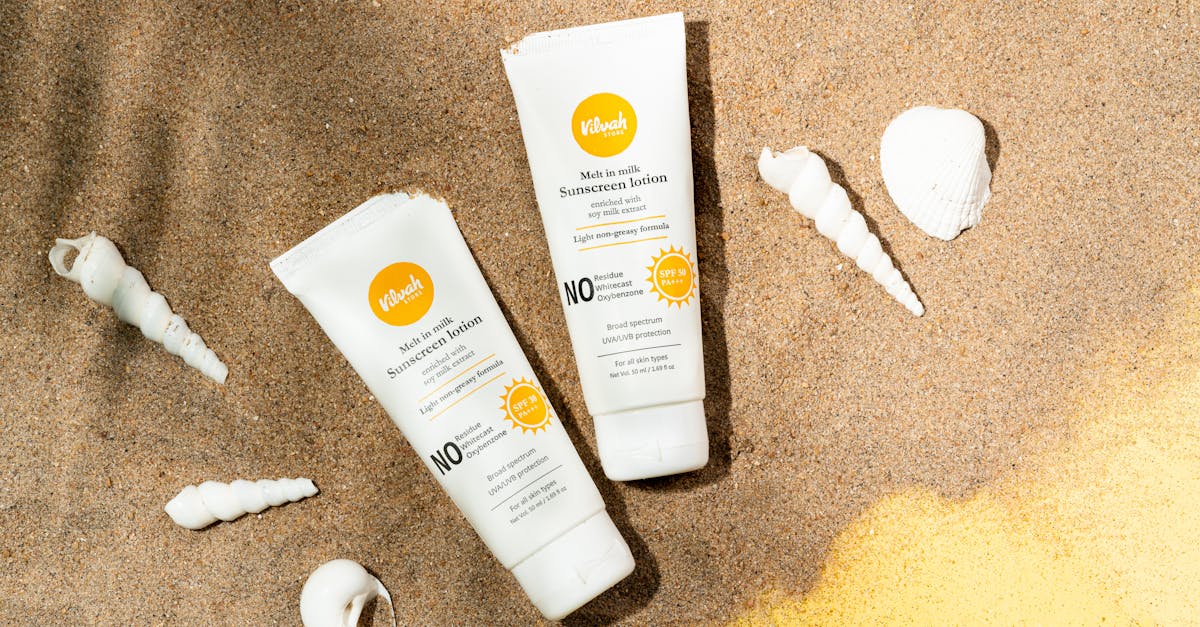
MDP UV Bio Sunscreen represents an advanced hybrid photoprotective formulation, meticulously combining an inorganic mineral filter with a specific matrix of organic chemical filters. The most prominent side effects associated with this hybrid formulation are mild localized epidermal dehydration caused by the mineral component, and the potential for contact dermatitis induced by the chemical absorbers.
The pharmacological mechanism of this formulation relies on dual-action synergy. Zinc oxide acts as the primary inorganic physical filter. It functions by resting atop the stratum corneum, creating a highly reflective and scattering barrier that physically deflects both ultraviolet A and ultraviolet B photons away from the epidermal surface. Zinc oxide is photostable and inherently provides broad-spectrum coverage without degrading upon solar exposure.
Complementing the physical barrier, the organic chemical filters—homosalate, octocrylene, and octisalate—penetrate the superficial layers of the stratum corneum. These molecules actively absorb any ultraviolet B photons that bypass the physical zinc shield. The absorbed high-energy radiation causes structural excitation within the molecules, which subsequently release the trapped energy as entirely harmless, low-level thermal radiation. This hybrid approach allows for robust, multi-layered photoprotection while generally requiring lower concentrations of potentially irritating chemical filters.
2. Warnings And Prerequisites Before Taking MDP UV Bio Sunscreen
Patients with a documented clinical history of hypersensitivity or photoallergic contact dermatitis to organic chemical filters, specifically octocrylene, must approach this formulation with significant caution. Despite the presence of calming zinc oxide, the chemical components remain active and can trigger profound localized immunological reactions in heavily sensitized individuals.
The application of this hybrid formulation over severely compromised, denuded, or actively weeping skin is strictly contraindicated. Applying this product to extensive abrasions or severe unhealed thermal burns significantly heightens the transdermal absorption rate of the chemical components and risks localized foreign-body reactions to the particulate zinc oxide, vastly exacerbating tissue inflammation and delaying the natural healing cascade.
While zinc oxide alone is generally considered the safest profile for pediatric use, the inclusion of organic chemical filters in this specific formulation dictates caution for infants under six months of age. The immature hepatic clearance systems in neonates cannot reliably process systemically absorbed topical chemicals. Caregivers must consult a pediatrician prior to widespread application on infants.
3. Indications And Dosage Guide For MDP UV Bio Sunscreen
The primary clinical indication for this hybrid sunscreen is the rigorous, daily prevention of acute ultraviolet-induced erythema and the long-term mitigation of chronic cellular photoaging. It is particularly indicated for patients seeking the robust reflective protection of a mineral filter, combined with the cosmetically elegant, sheer finish typically provided by chemical absorbers.
For optimal therapeutic efficacy, the formulation must be applied generously and evenly across all sun-exposed dermal surfaces exactly fifteen minutes before entering an environment with high ultraviolet index exposure. This critical temporal window allows the chemical molecules to effectively bind to the lipid matrix of the skin while the zinc oxide particles arrange into an unbroken reflective shield on the surface.
Reapplication is an absolute clinical necessity. The structural integrity of the protective barrier diminishes under continuous solar radiation and natural sebum production. The product must be strictly reapplied every two hours. Furthermore, immediate reapplication is mandated following significant diaphoresis, aquatic activities, or mechanical friction from towel drying, which thoroughly strips both the mineral and chemical components from the skin.
4. In-Depth Side Effects Analysis Of The Hybrid Filters
The adverse effect profile of a hybrid formulation represents an amalgamation of the physical properties of mineral filters and the chemical reactivity of organic absorbers.
4.1 Common Side Effects
The most prevalent adverse reactions involve mild, transient localized changes to the epidermis. Zinc oxide possesses inherently mild astringent properties, which frequently leads to localized subjective skin dryness or subtle flaking upon continuous daily use. Patients may also experience a transient, highly localized stinging sensation immediately following application due to the chemical components.
4.2 Serious Side Effects To Report
The manifestation of severe photoallergic or contact dermatitis is a highly serious complication requiring immediate clinical intervention and cessation of the product. This immunological reaction presents with the rapid onset of pronounced localized edema, unyielding intense pruritus, and the spread of weeping vesicular eruptions across the application site, typically triggered by the octocrylene or homosalate.
4.3 Rare Side Effects
In exceedingly rare clinical instances, highly sensitized patients may experience a severe systemic hypersensitivity reaction. Clinical signs of true systemic anaphylaxis include sudden angioedema of the oropharynx, widespread generalized urticaria, and dangerous respiratory distress. This constitutes an immediate medical emergency.
4.4 Side Effects That Usually Do Not Require Medical Attention
If the formulation is inadvertently introduced into the highly sensitive conjunctival mucosa, it will precipitate an acute burning sensation accompanied by intense reflex tearing. While severely uncomfortable, this localized ocular irritation typically resolves completely and without long-term structural damage once the eyes are aggressively flushed with sterile saline or copious amounts of cool water.
| Side Effect Category | Specific Symptoms |
|---|---|
| Localized Epidermal | Mild dryness, transient stinging, localized warmth |
| Allergic Reactions | Severe localized edema, intense pruritus, vesicular rash |
| Ocular Toxicity | Acute burning sensation, intense reflex tearing |
5. Overdose Symptoms And Management
Given the topical delivery route of a standard cosmetic formulation, an acute, life-threatening systemic overdose via transdermal absorption is clinically impossible under standard usage parameters. Severe systemic toxicity would demand massive, long-term transdermal exposure on profoundly compromised skin, far exceeding normal daily application.
If a patient, specifically a pediatric patient, accidentally ingests a substantial quantity of the product, the primary clinical manifestations will be strictly confined to the gastrointestinal tract. The complex chemical filters and the dense particulate zinc oxide will rapidly induce significant dyspepsia, profound nausea, and a mild to moderate transient laxative effect. Extreme systemic toxicity at these low volumes is highly improbable.
Emergency management for oral ingestion remains entirely supportive. The induction of emesis is strongly discouraged. The patient should be encouraged to consume clear fluids to clear the oropharyngeal tract of the residual taste and particulate matter. If the patient develops persistent, unyielding vomiting or severe abdominal pain, a consultation with a certified poison control center or a medical toxicologist is highly advised.
6. Missed Dose And Application Protocol Avoidance
The concept of a traditional missed dose is entirely inapplicable to prophylactic photoprotection. The formulation functions purely on demand. If a patient forgets to apply the formulation prior to solar exposure, the skin simply remains completely unprotected and highly vulnerable to acute actinic damage during that specific interval of exposure.
Upon recognizing the omission, the patient must apply the product immediately, provided they remain in an environment with high ultraviolet index exposure. There is absolutely no pharmacological benefit to applying a double layer of the formulation to compensate for a missed application window. The formulation provides a fixed sun protection factor regardless of how thickly the barrier is layered.
Patients must aggressively avoid combining this highly active hybrid formulation with potent physical exfoliants or highly acidic topical treatments applied simultaneously. Combining the formulation with concentrated chemical exfoliants can disrupt the even distribution of the zinc oxide particles, fundamentally destroying the uniform physical ultraviolet protective shield and creating vulnerable microscopic gaps on the epidermal surface.
7. Drug And Chemical Interactions With MDP UV Bio Sunscreen
Topical hybrid sunscreens generally possess a remarkably low potential for complex systemic drug interactions. However, significant localized, surface-level interactions can profoundly compromise the efficacy of both the sunscreen and any concurrently applied dermatological medications.
Applying prescription topical treatments, such as titanium dioxide formulated for acne, or localized corticosteroids, simultaneously with the formulation may dilute the active ingredients of both products. Patients must apply their medicated treatments first, allow a mandatory absorption period of at least thirty minutes, and apply the photoprotective formulation as the final, definitive layer.
The presence of zinc oxide, a relatively alkaline and stable mineral, generally does not degrade the organic chemical filters within the same formulation. However, the physical particulate nature of the zinc may mechanically interfere with the deep epidermal absorption of concurrently applied lightweight cosmetic serums, potentially reducing their localized anti-aging or hydrating efficacy.
8. Precautions, Safety, And Duration Of Action
The specialized combination of a highly stable mineral filter (zinc oxide) and a robust chemical stabilizer (octocrylene) guarantees a highly robust duration of action under direct solar irradiance. The overall protective efficacy of the entire matrix remains highly stable for the clinically recommended two-hour window. Following this period, inevitable physical degradation from natural sebum and mechanical friction necessitate complete reapplication.
Patients managing severe, active acne vulgaris must utilize this hybrid formulation with caution. While zinc oxide is inherently soothing and possesses mild anti-inflammatory properties, the dense particulate nature combined with the lipid-heavy vehicle required to suspend the chemical filters can be mildly comedogenic, potentially exacerbating follicular impaction in highly reactive skin types.
The formulation is designed for broad-spectrum protection but possesses limited resistance to continuous aquatic submersion. The binding affinity of both the physical particulates and the chemical matrix to the stratum corneum degrades rapidly upon continuous submersion in chlorinated or saline environments. Stringent adherence to an immediate post-swimming reapplication protocol is an absolute necessity.
9. Discontinuation, Storage, And Disposal Protocols
Discontinuation of the formulation requires absolutely no physiological tapering protocol. Patients may abruptly stop applying the product without triggering any form of localized withdrawal or severe rebound skin erythema. Discontinuing the formulation simply immediately returns the epidermis to its baseline vulnerability to acute and chronic ultraviolet radiation.
Rigorous storage protocols are critical to preserving the intricate chemical stability of the organic matrix and the uniform suspension of the zinc oxide particles. The formulation must be stored tightly sealed at a controlled room temperature, entirely away from direct sunlight and excessive environmental heat. Chronic exposure to high heat causes irreversible phase separation of the emulsion, rendering the physical shield uneven and highly ineffective.
Disposal of expired or structurally compromised product must follow municipal environmental guidelines. The chemical and mineral contents should not be flushed down residential plumbing networks, as the complex synthetic filters and heavy metals can persist in municipal water systems. The empty cosmetic container should be placed in appropriate local recycling streams.
10. When To See A Dermatologist Or Physician
Patients must immediately seek specialized clinical evaluation if they develop signs of severe allergic or photoallergic contact dermatitis. Symptoms warranting urgent attention include persistent, severe facial edema, the eruption of fluid-filled vesicles, or an intensely painful, pruritic rash that significantly interferes with normal daily activities.
A dermatological consultation is highly warranted if the patient develops persistent actinic lesions despite maintaining strict adherence to the application and reapplication protocols. Unexplained lesions presenting as persistent, rough scaling, localized ulceration, or indurated plaques that fail to heal over several weeks demand a biopsy to rule out neoplastic transformations.
Systemic symptoms occurring rapidly following application or resulting from accidental massive ingestion, especially in young children, demand urgent medical assessment. While statistically rare, the rapid onset of unexplained shortness of breath, generalized severe weakness, or widespread urticaria constitutes a critical medical emergency requiring immediate pharmacological intervention.
11. Frequently Asked Questions (FAQ)
1. Why does this sunscreen feel slightly chalky compared to purely chemical ones?
The chalky or slightly dry texture is a direct result of the zinc oxide component. Zinc oxide is a finely milled physical mineral powder suspended in the lotion, which naturally sits on top of the skin and possesses mild astringent, drying properties.
2. Will this formulation leave a severe white cast on my skin?
Because this is a hybrid formulation, it contains a lower total concentration of zinc oxide compared to a purely mineral sunscreen. The chemical filters absorb transparently, which significantly minimizes the heavy, opaque white cast typically associated with high-percentage zinc products.
3. Is it safe to use this product while pregnant?
While zinc oxide is universally recognized as highly safe during pregnancy, the systemic transdermal absorption of the chemical filters warrants clinical caution. Consultation with your obstetrician is strongly advised for personalized clinical guidance regarding hybrid sunscreens during pregnancy.
4. Why does the product burn when it gets near my eyes?
The physical zinc particles generally do not cause stinging, but the active chemical ingredients, particularly octocrylene, are highly irritating to the sensitive conjunctival mucosa. As the product migrates via sweat into the eye, it causes a sharp, acute stinging sensation.
5. How long does the SPF protection last after a single application?
Regardless of the presence of the highly stable zinc oxide, the entire protective matrix physically degrades and is disrupted by environmental factors, sweat, and natural skin oils. Reliable clinical protection is strictly limited to approximately two hours of continuous exposure.
6. Does octocrylene commonly cause allergic reactions?
Octocrylene is a documented contact allergen in a small subset of the population. It can induce localized contact dermatitis in sensitized individuals. A patch test is strongly recommended if you possess a known history of severe reactivity to chemical sunscreens.
7. Can I mix this directly into my daily facial moisturizer?
No. Mixing the formulation with any other cosmetic product fundamentally alters the exact concentration of the chemical filters and the even distribution of the zinc oxide particles, leading to highly uneven, compromised protection on the skin.
8. Why does my skin feel slightly warm after applying this in the sun?
The organic chemical filters within the hybrid matrix operate by absorbing high-energy ultraviolet light and converting it into lower-energy heat. This localized thermal conversion is completely normal and causes the subjective feeling of mild facial warmth.
12. Bibliography
Disclaimer: The content is for informational purposes only and does not replace medical advice. Always consult your doctor or pharmacist for personalized treatment.