1. Introduction
A sharp shooting pain in the left heel when walking barefoot is most often caused by plantar fasciitis, a condition where the thick band of connective tissue supporting the arch becomes inflamed and micro-torn at its insertion point on the calcaneus. Walking without the structural support of shoes places unmitigated tension on this compromised fascia, pulling sharply on the heel bone and triggering acute pain receptors with every step. The plantar fascia acts as a crucial biological shock absorber, distributing the massive kinetic forces generated during the gait cycle.
When you remove the artificial support of a cushioned shoe, the longitudinal arch of the foot is forced to bear the entire load of your body weight independently. In a foot that is already fatigued or structurally compromised, this sudden lack of support causes the arch to collapse slightly. This collapse stretches the fascial band beyond its pliable limits.
The tension focuses directly on the small anatomical footprint where the fascia anchors to the bottom of the heel bone. The resulting mechanical strain rips the microscopic collagen fibers, provoking a swift inflammatory response. Understanding the mechanics of the plantar fascia and the consequences of unsupported weight-bearing is the key to resolving this debilitating sharp pain.
2. Anatomy Of The Plantar Fascia
The plantar fascia is a dense, fibrous band of connective tissue that originates at the medial tubercle of the calcaneus (the bottom inside edge of the heel bone). It fans out across the sole of the foot and attaches to the base of the toes. Its primary structural role is to maintain the longitudinal arch of the foot.
This tissue is incredibly strong but possesses very little elasticity. It functions much like the string of a bow. When weight is applied to the foot, the arch tries to flatten, and the plantar fascia pulls taut to prevent the foot from collapsing completely.
Because it lacks significant blood flow, the plantar fascia is notoriously slow to heal when injured. The localized area where the fascia inserts into the heel bone bears the highest concentration of mechanical stress during weight-bearing, making it the epicenter for damage and subsequent pain.
3. The Windlass Mechanism
The human foot operates using a biomechanical principle known as the windlass mechanism. When you take a step, you roll forward onto the ball of your foot, and your toes bend upward (dorsiflexion). This upward bending of the toes winds the plantar fascia tightly around the metatarsal heads.
This winding action shortens the distance between the heel and the toes, artificially raising the arch and locking the bones of the midfoot into a rigid lever. This rigid lever is essential for pushing off the ground efficiently.
However, if the plantar fascia is tight or inflamed, this vital mechanical winding becomes a violent stretching event. Walking barefoot exacerbates this because the toes often splay and bend more deeply without a rigid shoe sole to limit their motion, maximizing the tension pulled directly across the sensitive heel attachment.
4. The Impact Of Barefoot Walking
Modern human feet spend the vast majority of their time encased in supportive, cushioned footwear. The muscles, ligaments, and fascia adapt to this artificial environment. The shoes take over much of the shock absorption and arch support duties.
When you suddenly walk barefoot, especially on hard, unforgiving surfaces like hardwood floors or tile, the foot is subjected to a massive increase in ground reactive forces. The intrinsic muscles of the foot, weakened from constant shoe-wearing, fatigue rapidly.
Without muscular support, the burden of holding the arch up falls entirely on the passive plantar fascia. The sudden, unmitigated stretching causes the fascia to pull ruthlessly against the heel bone, creating the sharp, tearing sensation characteristic of acute plantar fasciitis.
5. Micro-Trauma And Inflammation
The sharp pain experienced in the heel is not merely a cramp; it represents physical structural damage. The excessive tension on the plantar fascia causes micro-tears in the collagen matrix at the calcaneal insertion site.
The body recognizes this structural failure and initiates an inflammatory repair cascade. Macrophages and chemical mediators flood the area, causing localized swelling and heat. This inflammation serves to protect the tissue and begin the healing process, but it also heavily sensitizes the local nociceptors (pain nerves).
Because the foot is subjected to continuous use, the tissue rarely gets the opportunity to heal completely. The cycle of micro-tearing and chronic inflammation leads to the degeneration of the collagen fibers, a condition technically termed plantar fasciosis, which is exquisitely painful when unprotected by a shoe.
6. Morning Pain And Tissue Shortening
A hallmark symptom of plantar fasciitis is severe, shooting pain during the very first steps out of bed in the morning. During the night, as you sleep, the feet naturally rest in a slightly pointed position (plantar flexion).
In this relaxed posture, the plantar fascia remains slack. The body uses these hours of rest to lay down new, delicate collagen fibers to repair the micro-tears sustained the previous day. However, this healing occurs while the fascia is in a shortened state.
When you stand up and place weight on the barefoot, the arch drops, and the fascia is abruptly stretched to its full length. This sudden, violent stretch rips apart the fragile new healing tissue. The resulting sharp, stabbing pain is the sensory nerve’s response to this acute mechanical disruption.
7. The Myth Of Heel Spurs
Historically, the sharp pain in the heel was often blamed on the presence of a heel spur—a small, bony hook growing off the bottom of the calcaneus. X-rays often reveal these spurs in patients suffering from heel pain, leading to the assumption that the bone was stabbing the tissue.
Current medical understanding clarifies that the heel spur is not the cause of the pain; it is a symptom of the same mechanical stress. The chronic, unrelenting tension of the tight plantar fascia pulling on the heel bone stimulates the bone-building cells (osteoblasts) to lay down extra bone in the direction of the pull.
The sharp pain you feel is the inflamed, torn fascia tissue pulling away from the bone, not the bone spur piercing the tissue. Therefore, surgical removal of the spur is rarely necessary, as treating the fascial tension resolves the pain.
8. Identifying Heel Pain Causes
Differentiating plantar fasciitis from other potential pathologies ensures the correct treatment protocol is applied.
| Pain Characteristic | Likely Anatomical Cause | Distinguishing Features |
|---|---|---|
| Sharp stab under the heel, worst in morning | Plantar Fasciitis | Pain improves after a few minutes of walking, worsens when barefoot. |
| Deep, bruised ache directly center of the heel | Fat Pad Atrophy | Feels like stepping on a stone, worsens with hard impact, no morning stiffness. |
| Burning, electrical pain radiating into the arch | Tarsal Tunnel Syndrome | Nerve compression pain, tingling, often worsens at night or with rest. |
| Pain at the back of the heel, above the sole | Achilles Tendinitis | Stiffness behind the ankle, pain when pushing off the toes. |
9. Fat Pad Atrophy Considerations
While plantar fasciitis causes pain at the front edge of the heel, pain directly in the center of the heel when barefoot may indicate fat pad atrophy. Beneath the calcaneus sits a thick pad of specialized fat tissue designed to absorb the direct impact of a heel strike.
As individuals age, or after repeated steroid injections, the fibrous compartments holding this fat can break down, causing the protective pad to thin out and lose its elasticity.
Walking barefoot on hard surfaces without this biological cushion allows the hard bone of the heel to crash directly against the skin and the floor. This causes a deep, bruised, and aching sensation rather than a sharp, tearing pain, necessitating highly cushioned footwear to artificially replace the lost fat pad.
10. The Kinetic Chain And Calf Tightness
The foot does not operate in isolation; it is the end point of the posterior kinetic chain. The plantar fascia is physically connected to the Achilles tendon and the calf muscles (gastrocnemius and soleus) through the fascial network wrapping around the heel bone.
If the calf muscles are chronically tight, they exert a continuous, upward pulling force on the back of the heel. This upward pull forces the heel bone to pivot slightly, which in turn stretches the plantar fascia tighter across the bottom of the foot.
Addressing severe heel pain requires lengthening the entire posterior chain. If the calf muscles remain tight, any treatment applied solely to the bottom of the foot will fail, as the underlying mechanical tension remains unresolved.
11. Immediate Mechanical Interventions
To break the cycle of acute pain, you must eliminate the mechanical stress. The most crucial immediate intervention is a strict prohibition of barefoot walking, even inside the house.
From the moment you step out of bed, your feet should be supported by structured recovery sandals, supportive slippers, or running shoes. Providing immediate arch support and heel cushioning prevents the sudden morning tissue tear and significantly reduces the daily micro-trauma.
Applying ice to the heel for fifteen minutes after a period of weight-bearing induces localized vasoconstriction. This helps flush out the inflammatory cytokines that are chemically irritating the nerve endings, providing rapid, temporary relief from the sharp, shooting pain.
12. Taping And Orthotic Support
For individuals requiring extra support, specialized taping techniques or orthotics can artificially reinforce the arch. Kinesiology tape or rigid athletic tape can be applied across the sole of the foot to physically mimic the job of the plantar fascia.
The tape acts as an external ligament, preventing the arch from collapsing under body weight and relieving the tension at the heel insertion point. Over-the-counter orthotic inserts with a firm arch and a deep heel cup provide a similar benefit.
The deep heel cup gathers the natural fat pad under the heel bone to maximize biological cushioning, while the firm arch support stops the excessive lengthening of the fascia during the windlass mechanism of walking.
13. Targeted Stretching Protocols
Rehabilitating the tissue requires gentle, consistent stretching to restore length without causing further tearing. The most effective stretch for morning pain is performed before even standing up.
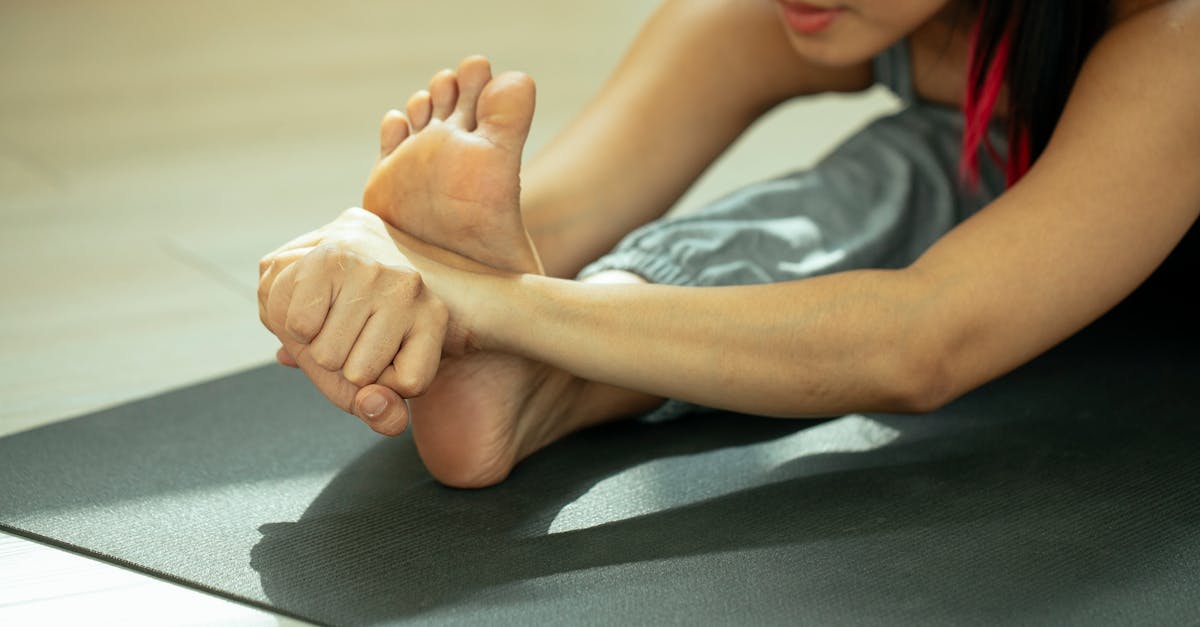
While seated in bed, cross the painful foot over the opposite knee. Grasp the base of all five toes and gently pull them backward toward the shin. You should feel a tight band pop out along the arch of the foot. Holding this stretch for thirty seconds elongates the healing fascia safely, preparing it to bear weight without tearing.
Stretching the calf muscles against a wall is equally imperative. Lean forward with the painful leg extended straight back, keeping the heel firmly on the ground. This elongates the gastrocnemius, releasing the upward tension on the heel bone and providing vital slack to the plantar fascia below.
14. Night Splints And Healing
To combat the overnight shortening of the fascia that causes morning agony, medical professionals often recommend a night splint. A night splint is a specialized brace worn during sleep that holds the ankle in a neutral, ninety-degree angle and slightly elevates the toes.
This device prevents the foot from dropping into plantar flexion. It forces the plantar fascia and the Achilles tendon to remain in a gently lengthened state throughout the night.
Because the body lays down new healing collagen while the tissue is elongated, the fascia is physically prepared to handle the load of body weight in the morning. Consistent use of a night splint is one of the most clinically effective methods for breaking the chronic cycle of morning plantar fasciitis pain.
15. When To See A Doctor
While plantar fasciitis is a very common, mechanically driven issue, persistent or atypical pain requires professional medical evaluation. If the pain does not improve after several weeks of strict shoe-wearing, stretching, and icing, an underlying structural issue may be present.
Immediate clinical assessment is required if the sharp pain is accompanied by severe swelling, a visible lump in the arch, or an inability to raise the toes off the floor, which could indicate a complete rupture of the plantar fascia requiring immobilization.
Patients should also consult a podiatrist if they experience electrical, burning, or tingling pain that radiates up the ankle or into the toes, as this suggests tarsal tunnel syndrome, a nerve entrapment condition that closely mimics plantar fasciitis but requires vastly different neurological management.
16. Frequently Asked Questions FAQ
1. Why does the pain magically disappear after walking around for a few minutes?
When you first stand up, the fascia is tight and brittle. The first few steps cause painful micro-tears. As you continue walking, blood flows into the tissue, warming it up and making it more pliable. The tissue stretches out, and the acute tearing stops temporarily.
2. Is it safe to roll my foot on a frozen water bottle?
Yes, this is an excellent clinical therapy. Rolling the arch over a frozen water bottle provides a deep tissue massage that breaks up stiff fascial adhesions, while the ice provides profound anti-inflammatory relief to the irritated nerve endings in the heel.
3. Will losing weight help my heel pain?
Yes, significantly. The plantar fascia must support the entire load of your body weight. Excess weight drastically increases the mechanical tension pulling on the heel bone. Reducing the structural load is a highly effective long-term strategy for preventing recurrent fasciitis.
4. Why did this pain start suddenly when I haven’t changed my routine?
As we age, the collagen in our connective tissues naturally loses its elasticity and resilience. What was a normal amount of daily walking for your tissues five years ago can suddenly become too much mechanical stress for the aging fascia to handle, leading to acute failure.
5. Are completely flat zero-drop shoes bad for this condition?
Yes, during an active flare-up. Zero-drop or barefoot-style shoes force the calf and Achilles tendon to stretch fully, which maximizes the tension on the plantar fascia. Wearing shoes with a slight heel lift takes the tension off the posterior chain and provides crucial mechanical relief.
17. Bibliography
Disclaimer: The content is for informational purposes only and does not replace medical advice. Always consult your doctor for personalized treatment.