1. Introduction
Experiencing blurry vision after consuming a meal rich in carbohydrates is a direct consequence of rapid fluctuations in blood glucose levels altering the osmotic balance within the lens of the eye. When a significant volume of glucose enters the bloodstream quickly, it draws fluid into the ocular lens, changing its physical shape and its ability to focus light accurately onto the retina. This transient optical distortion typically resolves as the metabolic system clears the excess glucose and cellular fluid balance is restored. Frequent episodes of postprandial visual changes serve as a prominent clinical indicator of underlying insulin resistance or impaired glucose tolerance.
2. Anatomy and Function of the Ocular Lens
The lens of the human eye is a transparent, biconvex structure positioned directly behind the iris. Its primary function is to refract incoming light rays, adjusting their trajectory so they converge precisely on the macular region of the retina. To maintain absolute transparency and flexibility, the lens relies on a precise internal balance of water and crystalline proteins.
Because the lens is entirely avascular—lacking any blood vessels—it depends on the surrounding aqueous humor to supply nutrients and remove metabolic waste. The exchange of fluids and nutrients across the lens capsule is governed strictly by osmotic pressure. Any significant shift in the chemical composition of the surrounding fluids immediately impacts the hydration status and physical curvature of the lens.
3. Carbohydrate Digestion and Glucose Absorption
Dietary carbohydrates are the body’s primary source of rapid energy. When a person consumes a meal heavy in refined starches or simple sugars, the digestive system rapidly breaks these complex molecules down into single glucose units. These glucose molecules are swiftly absorbed across the intestinal lining into the systemic circulation.
This rapid absorption causes a sharp, immediate spike in blood glucose concentration, a state known as postprandial hyperglycemia. In a metabolically robust individual, the pancreas responds by secreting adequate insulin to transport this glucose into the muscle and fat cells. However, if this regulatory system is slow or impaired, the glucose remains circulating in the blood, diffusing freely into the aqueous humor of the eye.
4. The Osmotic Shift in the Lens
The biological mechanism driving the blurry vision is a fundamental principle of chemistry known as osmosis. When the concentration of glucose in the aqueous humor spikes, it creates a hypertonic environment relative to the interior of the lens. To establish equilibrium, fluid shifts across the semipermeable lens capsule.
As fluid moves into the lens tissue, the lens physically swells. This microscopic swelling alters the anterior-posterior diameter of the lens, effectively changing its refractive power. The eye becomes temporarily myopic, or nearsighted. Light rays entering the eye now converge in front of the retina rather than directly upon it, resulting in a blurred, out-of-focus visual image.
5. The Sorbitol Accumulation Pathway
In addition to the immediate osmotic fluid shift, prolonged elevated glucose initiates a secondary biochemical alteration within the lens cells. When intracellular glucose levels become excessive, the standard metabolic pathways are overwhelmed. The lens tissue utilizes an alternative route called the polyol pathway, which involves an enzyme called aldose reductase.
Aldose reductase converts the excess glucose into a sugar alcohol known as sorbitol. Unlike glucose, sorbitol cannot easily pass back through the cell membrane. It becomes trapped inside the lens cells. Because sorbitol is highly hydrophilic, it acts as an internal sponge, drawing even more water into the lens tissue and compounding the structural swelling and optical distortion.
6. Resolution of Transient Blurriness
The visual distortion caused by a carbohydrate-induced glucose spike is a temporary phenomenon. The timeline for recovery is directly tied to the metabolic clearance of the circulating blood sugar.
| Phase of Digestion | Systemic Glucose Status | Impact on Vision |
|---|---|---|
| 0 to 30 Minutes Post-Meal | Rapid intestinal absorption, spiking blood glucose. | Onset of blurriness, difficulty focusing on fine print. |
| 1 to 2 Hours Post-Meal | Peak insulin secretion attempting to clear glucose. | Maximum lens swelling, most profound optical distortion. |
| 3 to 4 Hours Post-Meal | Glucose levels return to baseline, fluid shifts reverse. | Lens restores normal shape, visual acuity returns. |
Monitoring this timeline helps confirm that the visual changes are tied to glycemic shifts rather than a structural ocular disease.
7. Reactive Hypoglycemia and Vision
Blurry vision can also occur at the opposite end of the glycemic spectrum. When a large carbohydrate meal prompts an exaggerated insulin response, the body may clear the blood glucose too aggressively. This rapid plunge in blood sugar is termed reactive hypoglycemia.
The brain and the retina are both exquisitely sensitive to glucose deprivation. When blood sugar drops below functional baseline levels, the retina cannot process visual information efficiently. A hypoglycemic episode often presents with a sudden darkening of vision, tunnel vision, or the appearance of floating spots, accompanied by systemic symptoms like sweating and a rapid heart rate.
8. Recognizing the Signs of Insulin Resistance
Frequent episodes of blurry vision after eating are a hallmark sign of diminished metabolic flexibility. In cases of insulin resistance, the cellular receptors fail to respond adequately to the insulin circulating in the blood. The pancreas must secrete increasingly larger volumes of the hormone to achieve the same glucose-clearing effect.
During the years it takes for insulin resistance to progress into clinical diabetes, the postprandial glucose spikes become progressively sharper and last longer. The resulting osmotic stress on the ocular lens becomes a daily occurrence, serving as a critical early warning sign of impending metabolic dysfunction.
9. Differentiating Postprandial Blur from Presbyopia
It is necessary to distinguish transient glucose-related blurriness from the natural aging of the eye. Presbyopia is the age-related loss of lens elasticity, typically beginning in the fourth decade of life. It causes a constant, unvarying difficulty in focusing on near objects.
Conversely, postprandial blurry vision is episodic. The patient may read a newspaper perfectly fine in the morning but find the text completely illegible an hour after consuming a large plate of pasta. This distinct fluctuation in visual acuity throughout the day is a cardinal sign of osmotic lens changes rather than permanent structural aging.
10. Long-Term Microvascular Risks
While the temporary swelling of the lens is reversible, chronic exposure to postprandial glucose spikes inflicts permanent damage on the microscopic blood vessels supplying the retina. This persistent metabolic stress damages the endothelial lining of the retinal capillaries.
Over time, these weakened capillaries leak fluid, lipids, and blood onto the retinal surface. This condition, diabetic retinopathy, is a leading cause of irreversible blindness. Therefore, ignoring recurrent episodes of temporary blurry vision allows the underlying metabolic condition to quietly destroy the posterior sensory structures of the eye.
11. Dietary Strategies to Prevent Glucose Spikes
Mitigating postprandial visual distortion requires a strategic approach to macronutrient consumption. The primary objective is to slow the rate of gastric emptying and blunt the speed at which glucose enters the bloodstream.
Combining carbohydrates with adequate amounts of dietary fiber, protein, and healthy fats slows the digestive enzymes. For instance, consuming a lean protein source and fibrous vegetables before eating the carbohydrate portion of a meal creates a physical buffer in the digestive tract. This sequencing ensures a gradual, manageable rise in blood glucose rather than a sudden osmotic shock.
12. The Importance of Glycemic Index
The selection of specific carbohydrates dictates the severity of the glycemic response. The glycemic index is a metric that ranks foods based on how rapidly they elevate blood sugar. Foods with a high glycemic index, such as white bread, white rice, and sugary beverages, are rapidly digested and are the primary culprits for postprandial blurriness.
Substituting these items with low-glycemic alternatives, such as steel-cut oats, quinoa, or legumes, provides a slow, steady release of glucose. The body’s natural insulin response can easily manage this gradual influx, preventing the excess glucose from accumulating in the aqueous humor and sparing the ocular lens from osmotic swelling.
13. Hydration and Osmotic Balance
Systemic hydration status influences the concentration of solutes in the blood. If an individual is mildly dehydrated when consuming a heavy carbohydrate meal, the resulting glucose spike is proportionally more concentrated within the limited blood volume.
Maintaining robust hydration throughout the day ensures that the blood volume remains optimal, which slightly dilutes the postprandial glucose concentration. Drinking a glass of water before and during the meal assists in proper digestion and supports the body’s ability to maintain a stable osmotic environment within the ocular structures.
14. Post-Meal Physical Activity
Engaging in light physical activity immediately following a carbohydrate-dense meal is a potent strategy for stabilizing blood sugar. Skeletal muscle is the largest consumer of glucose in the human body.
Taking a brisk ten-minute walk after eating prompts the muscle cells to absorb glucose directly from the bloodstream, largely bypassing the need for insulin. This immediate mechanical uptake clears the excess sugar rapidly, preventing the sustained postprandial hyperglycemia required to induce the swelling of the ocular lens.
15. Frequently Asked Questions FAQ
1. Can an eye doctor see the swelling in my lens during an exam?
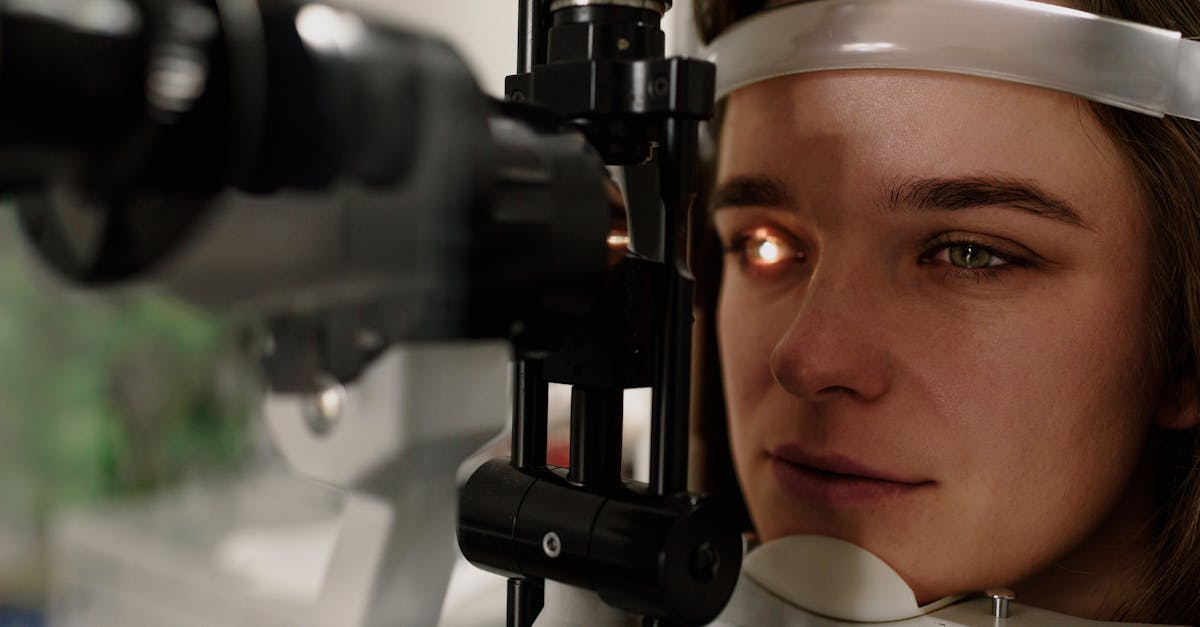
Yes, if you are experiencing the osmotic swelling during the exam, an optometrist or ophthalmologist can detect a shift in your refractive error, meaning your temporary prescription will be notably different than your baseline vision.
2. Does sugar cause the same blurry vision as starchy carbohydrates?
Yes, refined sugars and starchy carbohydrates both break down into glucose in the bloodstream. A massive influx of either macronutrient will trigger the same osmotic shift and subsequent visual distortion.
3. Is the damage to my vision permanent?
The blurry vision caused by acute lens swelling is entirely reversible once your blood sugar normalizes. However, ignoring the underlying metabolic issue can lead to retinopathy, which causes permanent visual loss over time.
4. Can artificial sweeteners cause blurry vision?
Artificial sweeteners do not break down into glucose and therefore do not cause the osmotic blood sugar spikes that lead to lens swelling. They will not trigger this specific type of blurry vision.
5. Should I get new glasses if my vision keeps getting blurry after dinner?
No, prescribing glasses while your blood sugar is elevated will result in an inaccurate prescription. You must address the dietary triggers and have your vision tested when your blood glucose is stable and fasting.
16. Bibliography
Disclaimer: The content is for informational purposes only and does not replace medical advice. Always consult your doctor for personalized treatment.