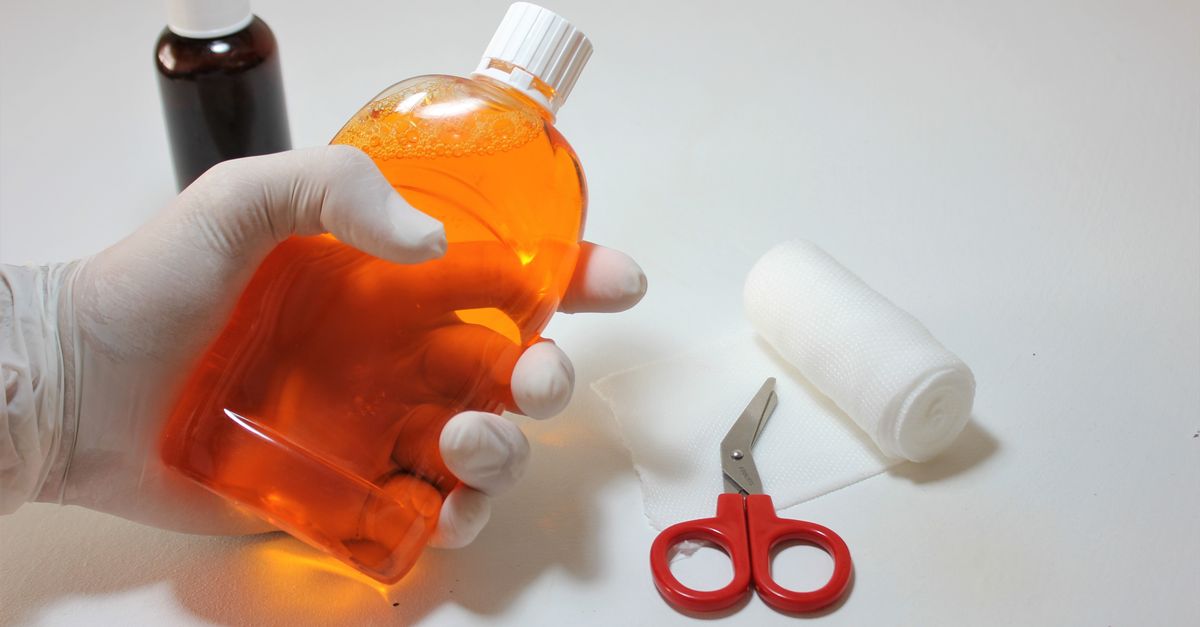
Ecolab Antiseptic is a topical solution used for the immediate disinfection of minor cuts, scrapes, and superficial abrasions. Its most notable side effect is the potential to cause localized contact dermatitis or chemical irritation if applied excessively or left under tight bandages.
1. Introduction & How Ecolab Antiseptic Works in the Body
Benzalkonium chloride is a quaternary ammonium compound functioning as a highly effective cationic surfactant. Upon application to the skin, the positively charged molecules of the antiseptic aggressively bind to the negatively charged cell membranes of superficial microorganisms. This biochemical attraction destabilizes the structural integrity of the bacterial cell wall.
Once the cellular membrane is compromised, the antiseptic penetrates the bacterial cytoplasm, causing vital intracellular contents to leak out. This leads to the rapid deactivation of vital enzymes and the immediate death of both gram-positive and gram-negative bacteria. Furthermore, the surfactant properties allow the solution to break surface tension, helping to mechanically lift dirt and debris out of minor epidermal wounds during the initial cleansing process.
Because it does not rely on systemic absorption to achieve its therapeutic effect, benzalkonium chloride provides a purely localized defense mechanism. It creates a temporary inhospitable environment for pathogens, drastically reducing the likelihood of a secondary bacterial infection during the early stages of the wound healing cascade.
2. Critical Warnings & Prerequisites Before Using Ecolab Antiseptic
While available for general first aid, this antiseptic requires strict adherence to usage parameters. It is formulated exclusively for external topical application on superficial epidermal injuries. It must never be ingested, instilled into the eyes, or applied to mucous membranes, as it can cause severe tissue necrosis and chemical burns in these delicate areas.
This product is strictly contraindicated for deep puncture wounds, severe animal bites, or full-thickness burns. These types of injuries require professional medical evaluation, debridement, and often systemic antibiotic therapy. Applying a surface antiseptic to a deep puncture wound traps anaerobic bacteria deep within the tissue, significantly elevating the risk of severe infections like tetanus.
Patients with a known history of severe allergic contact dermatitis to quaternary ammonium compounds should completely avoid this formulation. Continued use on sensitized skin will provoke a massive inflammatory response, severely delaying the natural tissue repair process.
3. Indications & Ecolab Antiseptic Dosage Guidelines
Ecolab Antiseptic is indicated for the first aid treatment and prophylactic disinfection of minor cuts, superficial scrapes, and minor thermal burns. The primary goal is to lower the local bacterial load and prevent opportunistic infections.
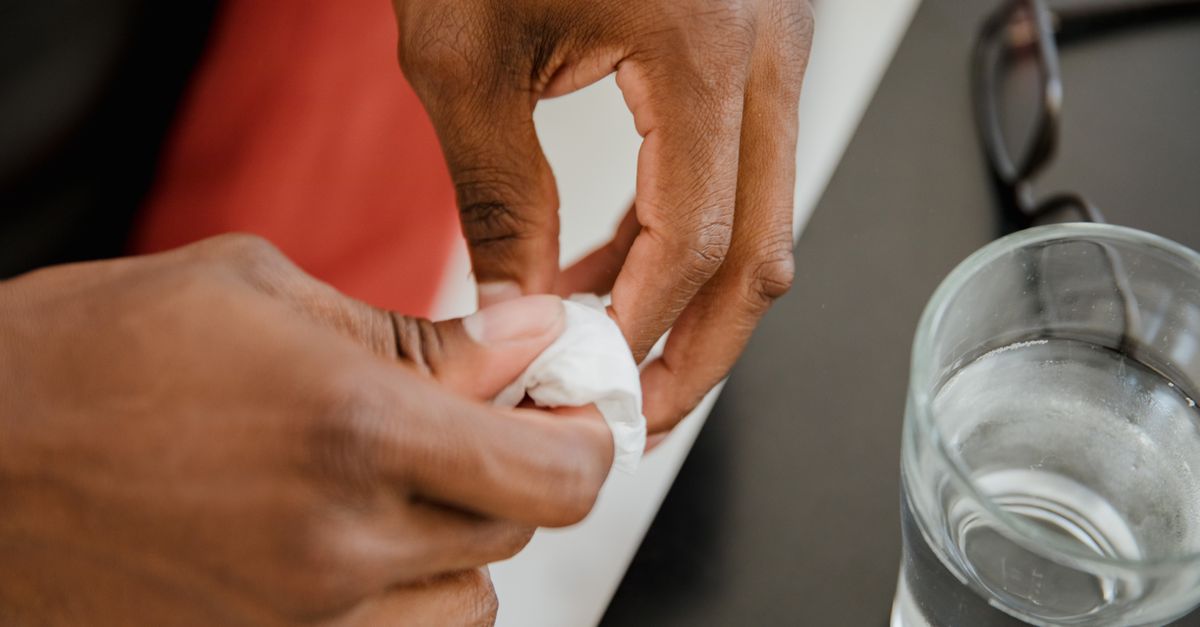
Before application, the injured area should be gently rinsed with clean water to remove gross debris. A small amount of the antiseptic solution is then applied directly to the wound using a sterile gauze pad or cotton swab. This process may be repeated one to three times daily depending on the level of wound exposure.
Once applied, the area may be left open to the air to dry. If a bandage is applied, it must be lightweight and breathable. The maximum duration of continuous use without medical supervision is exactly one week.
4. In-Depth Ecolab Antiseptic Side Effects Analysis
Adverse reactions are predominantly restricted to the epidermal layers directly exposed to the chemical agent. Systemic side effects are functionally impossible when the product is used as directed on small wounds.
Common Side Effects
Patients frequently experience mild, transient stinging or a localized warming sensation immediately upon applying the liquid to broken skin. Slight erythema around the wound margins is a normal physiological response to both the injury and the chemical surfactant, usually fading within a few minutes.
Serious Side Effects You Should Report
Seek immediate medical care if you develop severe, spreading redness, intense swelling, or the formation of large blisters around the treated area. These symptoms strongly suggest an acute allergic contact dermatitis or a chemical burn. If red streaks begin radiating from the wound site toward the heart, this indicates a dangerous, spreading infection known as lymphangitis that the antiseptic failed to control.
Rare Side Effects
In highly rare instances of prolonged misuse under occlusive dressings, the chemical can become trapped against the skin at high concentrations. This can lead to localized tissue necrosis, permanently damaging the epidermal basal layer and resulting in severe scarring.
Side Effects That Usually Do not Require Medical Attention
Mild dryness and minor peeling of the intact skin immediately surrounding the wound are expected due to the lipid-stripping nature of the surfactant. This superficial desiccation requires no intervention and resolves once the treatment is discontinued.
| Side Effect Category | Specific Symptoms |
|---|---|
| Dermatological | Mild stinging, localized redness, temporary skin dryness |
| Severe Allergic | Spreading rash, blister formation, severe itching |
| Toxicity related | Chemical burns, tissue necrosis when occluded |
5. Ecolab Antiseptic Overdose Symptoms & Emergency Response
An overdose via topical application on small wounds is not clinically feasible. However, accidental oral ingestion of benzalkonium chloride presents a critical medical emergency. Ingestion causes immediate, severe caustic burns to the esophagus and stomach lining.
Symptoms of ingestion include profound nausea, severe abdominal pain, vomiting of blood, profound hypotension, and central nervous system depression. Emergency medical services must be contacted immediately. Vomiting must never be induced, as bringing the caustic chemical back up the esophagus will multiply the tissue damage. Treatment involves immediate transport to an emergency department for airway management and supportive cardiovascular care.
6. Missed Dose & What to Avoid While Using Ecolab Antiseptic
If an application is missed, the user should cleanse the wound and apply the antiseptic as soon as remembered. It is not necessary to apply a heavier layer to compensate for a missed application.
Patients must strictly avoid using standard anionic soaps or detergents on the wound immediately prior to or after applying benzalkonium chloride. Anionic compounds chemically neutralize cationic surfactants, rendering the antiseptic completely ineffective. Additionally, avoid wrapping the wound in highly restrictive, non-breathable plastic tapes, as trapping the chemical forces it deeper into the tissues and promotes chemical burns.
7. What Drugs Interact With Ecolab Antiseptic?
Because the formulation is strictly topical and minimally absorbed, pharmacokinetic interactions with oral or intravenous prescription medications are non-existent. The clinical concerns revolve entirely around concurrent topical agents.
Applying this product simultaneously with iodine-based disinfectants or chlorhexidine solutions can cause complex chemical reactions on the skin surface, leading to severe localized irritation and decreased antibacterial efficacy. Always select one single antiseptic agent for wound care and stick to it exclusively to prevent dermatological complications.
8. Precautions, Safety & Duration of Action
The antibacterial action occurs almost instantaneously upon contact and persists only as long as the chemical remains on the skin surface. Because it does not provide a long-lasting chemical barrier, repeated daily applications are required for wounds exposed to dirty environments.
Special precaution must be taken when treating children. Pediatric skin is significantly thinner and more permeable than adult skin, increasing the risk of localized chemical irritation. Always use the absolute minimum amount of solution necessary to cover the wound when treating young patients.
9. How to Stop Using Ecolab Antiseptic & Proper Storage
Discontinuing the product requires no tapering. Once the wound has formed a solid scab and shows active signs of healing, the antiseptic should be discontinued to allow natural epidermal regeneration to proceed without chemical interference.
The bottle must be stored securely at room temperature, strictly out of the reach of children and cognitively impaired adults to prevent accidental ingestion. Ensure the cap is tightly secured to prevent evaporation, which could dangerously increase the concentration of the remaining chemical.
10. When to See a Doctor
Immediate medical consultation is required if the wound shows no signs of healing after seven days of treatment. Furthermore, if the patient develops a systemic fever, notices thick yellow pus draining from the injury, or experiences throbbing pain that worsens over time, the topical treatment has failed and professional medical intervention is urgently needed.
11. Frequently Asked Questions
1. Can I use this antiseptic to clean my contact lenses?
Absolutely not. Benzalkonium chloride is highly toxic to the delicate tissues of the eye and will cause severe, potentially blinding corneal damage if applied to lenses or the ocular surface.
2. Why does the skin around my cut look dry and flaky?
The chemical strips away the natural oils and lipids on your skin while killing bacteria. This causes temporary dryness and flaking, which will disappear a few days after you stop using the product.
3. Is it safe to pour this on a deep nail puncture wound?
No, puncture wounds require professional medical cleaning. Pouring surface antiseptic into a deep hole traps dangerous bacteria at the bottom of the wound, drastically increasing your risk of a severe infection.
4. Can I put a tight waterproof bandage over the antiseptic?
You should avoid completely sealing the chemical against the skin without air flow. Trapping the liquid under a tight, non-breathable bandage can cause a chemical burn and damage healthy tissue.
5. What should I do if a child swallows this liquid?
Call emergency services immediately. Do not try to make the child vomit, as this chemical causes severe burns to the throat and stomach. Immediate hospital care is required.
6. Can I use this on my face for acne?
No, it is formulated for minor wounds, not for daily facial skincare. Using it on acne will cause severe drying, intense irritation, and will likely worsen your skin condition.
7. Why did my doctor say to stop using it after a week?
Using any strong antiseptic for too long destroys the newly forming, healthy skin cells. Once a scab forms, the body needs to heal naturally without continuous chemical disruption.
12. Bibliography
Disclaimer: The content is for informational purposes only and does not replace medical advice. Always consult your doctor or pharmacist for personalized treatment.