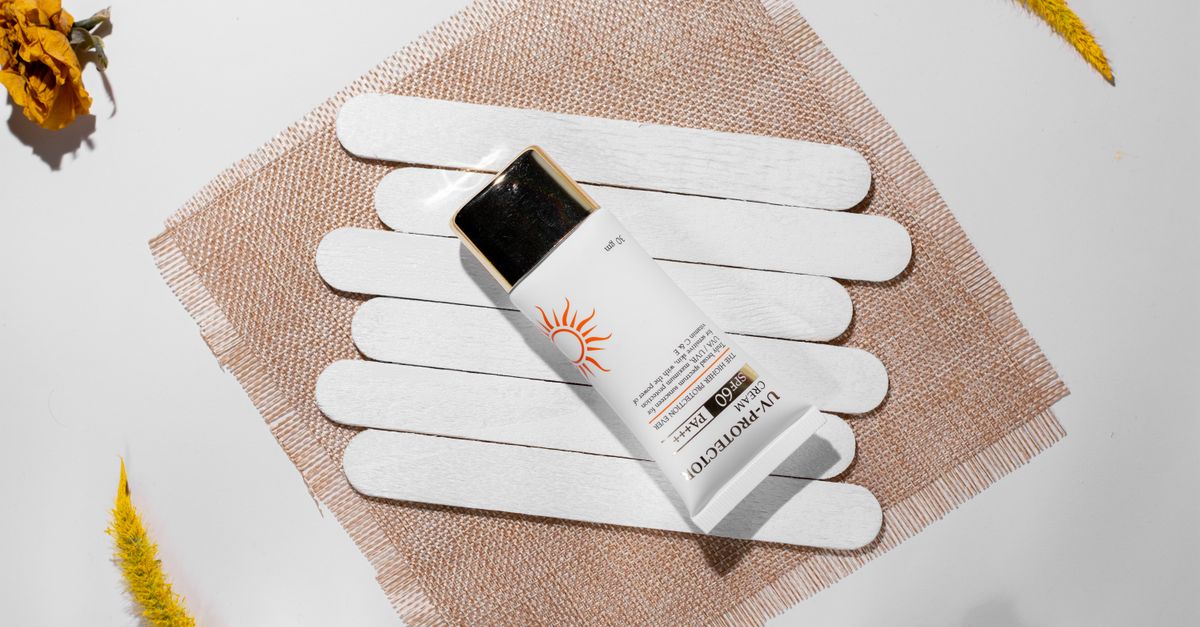
EltaMD UV Restore Tinted is a dermatological photoprotection product containing the active mineral filters zinc oxide and titanium dioxide. The most prominent side effect is localized skin irritation or allergic contact dermatitis, primarily caused by sensitivity to the formulation formulation base rather than the inert mineral compounds.
1. Mechanism of Action for EltaMD UV Restore Tinted
The mechanism of this topical barrier relies on physical photoprotection. Zinc oxide provides extensive broad-spectrum coverage spanning the entire ultraviolet A and ultraviolet B spectrum. Titanium dioxide acts synergistically to enhance the deflection of ultraviolet B radiation. Together, these particulate materials form a uniform film across the stratum corneum that scatters incoming photons.
Because these compounds are inert and possess a large molecular structure, they do not undergo chemical degradation upon ultraviolet exposure. This photostability ensures consistent protection. The tinted formulation utilizes mineral pigments to counteract the opaque nature of zinc oxide, simultaneously offering defense against visible light spectrums known to induce hyperpigmentation.
2. Warnings & Before Using EltaMD UV Restore Tinted
Patients must assess their skin integrity prior to initial application. The product must not be applied to actively bleeding wounds, severe thermal burns, or compromised epidermal barriers displaying signs of active infection. Applying particulate matter to compromised tissue can delay wound healing and invite secondary bacterial colonization.
Individuals with an established history of severe cosmetic allergies should proceed with caution. While zinc oxide is inherently soothing, the preservatives and emulsifiers required to stabilize the tinted cream may provoke hypersensitivity. A preemptive application test on the inner wrist is strongly recommended for highly reactive skin profiles.
3. Indications & Dosage Guide for Zinc Oxide and Titanium Dioxide
Dermatologists prescribe daily application of this product to prevent actinic keratosis, premature photoaging, and various forms of skin cancer. It is highly indicated for patients managing conditions worsened by ultraviolet exposure such as lupus erythematosus and melasma.
Clinical efficacy depends entirely on adequate dosing geometry. The standard recommendation is two milligrams of product per square centimeter of skin. For the face and neck, this equates to approximately half a teaspoon. Application must occur prior to outdoor exposure and be strictly repeated every two hours to maintain the advertised protection factor.
4. In-Depth Side Effects Analysis of EltaMD UV Restore Tinted
The cutaneous safety profile of mineral filters is excellent. However, adverse reactions tied to the delivery vehicle can manifest in susceptible individuals.
Common Side Effects
The most regularly observed adverse events include a mild feeling of heaviness on the skin and transient erythema upon application. Patients may also note slight desquamation or dry patches due to the inherently astringent properties of zinc oxide. The tinted pigment may temporarily stain collars or light-colored fabrics upon contact.
Serious Side Effects You Should Report
Serious inflammatory responses mandate immediate cessation of use. Symptoms indicating a significant hypersensitivity reaction include widespread urticaria, facial edema, intense burning sensations, and the formation of vesicles. These symptoms represent a severe allergic contact dermatitis requiring clinical evaluation.
Rare Side Effects
Rarely, long-term use without proper dermal cleansing can lead to acne cosmetica or localized folliculitis. True allergic reactions to medical-grade zinc oxide or titanium dioxide are exceedingly rare in the medical literature. Granulomatous reactions have been documented only when particulate matter is introduced deep into open dermal wounds.
Side Effects That Usually Do Not Require Medical Attention
Transient tingling lasting a few seconds after application is generally benign. Mild exacerbation of pre-existing dry skin is common and easily resolved with the concurrent use of a non-comedogenic hydrating cream.
| Side Effect Category | Specific Symptoms |
|---|---|
| Common | Mild skin dryness, heaviness, clothing discoloration |
| Serious | Widespread urticaria, facial edema, intense burning |
| Rare | Acne cosmetica, foreign body granuloma in open wounds |
| Requires no medical attention | Transient tingling, minor flaking |
5. Overdose Symptoms & Management
Applying a volume exceeding the recommended dosage does not induce systemic pharmacological toxicity. The primary result of topical over-application is a thick, cosmetically undesirable layer that may feel occlusive and promote excessive facial diaphoresis. Removal with a gentle cleanser resolves this issue completely.
Systemic toxicity is only a concern following accidental ingestion. Swallowing significant amounts of the zinc-based lotion can irritate the gastric mucosa. Symptoms may include nausea, abdominal cramping, and emesis. Caregivers should contact a medical professional or poison control center if a large quantity is ingested by a child.
6. Missed Dose & What to Avoid
A missed application directly translates to an absence of ultraviolet protection. Unprotected exposure initiates immediate cellular DNA damage and oxidative stress within the dermal layers. If application is forgotten, the user must apply the product immediately and seek shade to minimize cumulative radiation exposure.
Users must strictly avoid the misconception that sunscreen provides absolute immunity to solar radiation. Prolonged deliberate tanning while wearing this product remains highly detrimental. Avoid applying the emulsion directly into the conjunctival sac, as mineral particles will cause mechanical irritation to the eye.
7. Drug & Alcohol Interactions with Zinc Oxide and Titanium Dioxide
The absolute lack of systemic absorption means interactions with oral medications, intravenous therapies, or alcohol consumption are nonexistent. Patients managing systemic diseases can safely incorporate this topical product into their daily regimen without fear of altering their oral medication pharmacokinetics.
Topical interactions are the primary concern. Applying prescription topical medications such as fluorouracil or hydrocortisone over the sunscreen will block their epidermal penetration. Medical topicals must be applied to clean skin first and allowed to absorb completely before the mineral barrier is applied.
8. Precautions, Safety & Duration of Action
The protective duration is finite and vulnerable to physical disruption. The barrier remains effective for exactly two hours under normal conditions. Friction from masks, clothing, or towels physically wipes away the mineral filters, requiring immediate replacement to maintain continuous defense.
This formulation is universally recognized as safe for vulnerable populations. It is the preferred photoprotection modality for pregnant women and pediatric patients over six months of age. The large molecular weight of the active ingredients strictly prohibits systemic circulation, guaranteeing fetal and neonatal safety.
9. How to Stop Taking EltaMD UV Restore Tinted & Storage/Disposal
Cessation of this photoprotective product requires no medical supervision or tapering schedule. Patients must ensure they substitute it with another form of sun protection to avoid continuous actinic damage. Thorough removal at the end of the day is critical to prevent particulate accumulation within the follicular ostia.
The stability of the emulsion demands specific storage conditions. The product must be kept at controlled room temperature and protected from freezing or extreme heat. Exposure to temperatures exceeding normal environmental conditions can permanently degrade the formulation base. Dispose of empty containers through standard household waste management protocols.
10. When to See a Doctor
Medical attention is necessary if an application results in severe, intractable itching, blistering, or spreading erythema that does not subside after washing the face. This indicates an acute allergic reaction that may require prescription topical immunomodulators or oral antihistamines.
Patients must also consult a dermatologist for regular skin cancer screenings. If a pigmented lesion exhibits asymmetry, border irregularity, color variation, or rapid evolution, an immediate biopsy is clinically indicated regardless of diligent sunscreen habits.
Frequently Asked Questions (FAQ)
1. Can zinc oxide cause an allergic reaction?
True allergy to the elemental compound of zinc oxide is exceptionally rare. Reactions are almost exclusively triggered by the botanical extracts, preservatives, or emulsifiers within the carrier lotion.
2. Does this product protect against blue light from screens?
Yes, the iron oxides used to create the tinted formula provide a physical barrier against high-energy visible light emitted by digital screens and the sun.
3. Is it safe to use this product around the eyes?
While safe for the periorbital skin, direct contact with the ocular surface must be avoided. The mineral particles act as abrasive foreign bodies and will cause significant discomfort and tearing.
4. Can I mix this sunscreen with my daily moisturizer?
Mixing sunscreens with other products is strictly contraindicated. Altering the formula dilutes the active ingredients and compromises the uniformity of the protective film.
5. How do I properly remove mineral sunscreen?
Because mineral formulas are designed to adhere to the skin, an oil-based cleanser or a dedicated makeup remover is often necessary to effectively break down the barrier before regular washing.
6. Does titanium dioxide penetrate the skin?
Extensive clinical studies confirm that microfine and pigmentary titanium dioxide do not penetrate the viable layers of human skin, remaining entirely on the surface.
7. Why does my skin feel dry after using this product?
Zinc oxide possesses natural astringent properties that can absorb excess sebum. Patients with naturally dry skin may need to apply a robust moisturizer prior to sunscreen application.
Bibliography
Disclaimer: The content is for informational purposes only and does not replace medical advice. Always consult your doctor or pharmacist for personalized treatment.